
The Wired-and-Tired Problem
You push hard in the gym. You get home. You're physically exhausted — but when you lie down, your mind is still running laps. The clock says 1 AM and you're staring at the ceiling wondering why your body won't cooperate.
This isn't unusual. And it isn't a character flaw. It's a direct consequence of what intense exercise does to your nervous system.
What's Actually Happening in Your CNS
High-intensity training triggers a significant stress response. Cortisol rises to mobilize energy. Adrenaline and norepinephrine flood your system to sharpen focus and drive output. Your core body temperature climbs. Your sympathetic nervous system — the fight-or-flight branch — takes over.
All of this is appropriate during training. The problem is the half-life. These hormones and neurological signals don't vanish the moment you finish your last set. Cortisol can remain elevated for hours post-training. Your CNS stays in an activated state well into the evening, especially if you train late in the day.
The result: you're physiologically exhausted, but neurologically still in go-mode. Shallow sleep, difficulty falling asleep, or frequent waking are all common downstream effects.
Why This Matters for Recovery
Sleep isn't just rest. It's the primary window for physical adaptation. Growth hormone secretion peaks during deep slow-wave sleep. Muscle protein synthesis accelerates. The nervous system consolidates motor patterns. Inflammatory markers from training get cleared.
If your cortisol stays elevated and your CNS never fully downregulates, you don't get adequate slow-wave or REM sleep. That means the training you just did delivers less of its potential benefit. You're putting in the work but leaving the adaptation on the table.
What a Real Solution Looks Like
Throwing melatonin at this problem only addresses one variable. The deeper issue is the physiological state you're in when you try to sleep — not just whether a hormone signal tells your brain it's dark outside.
A targeted approach supports the cortisol comedown, promotes parasympathetic nervous system activity, and helps lower core body temperature — the actual conditions your body needs to enter deep, restorative sleep.
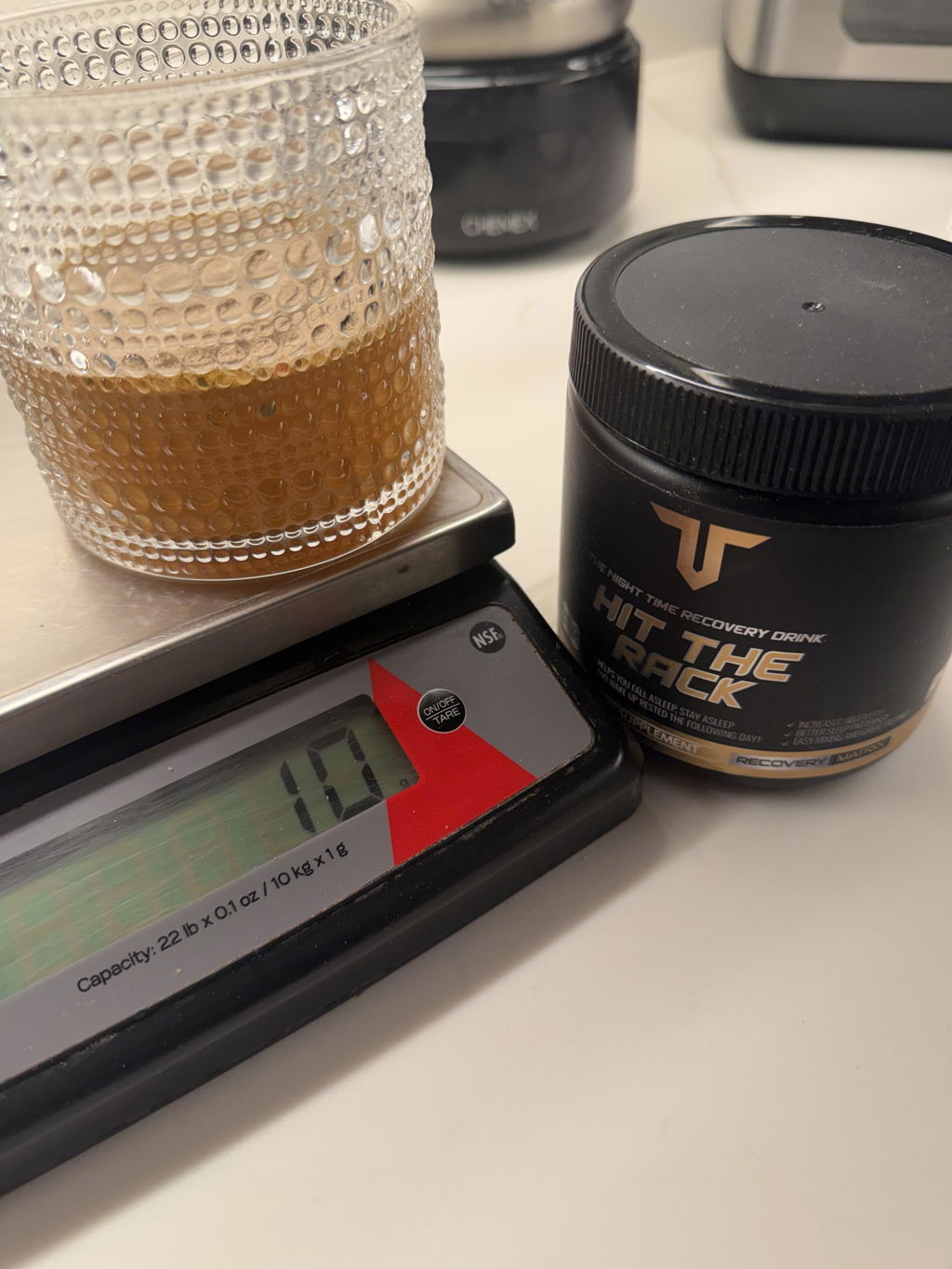
That's the framework behind Hit The Rack. Designed for athletes who train hard and need their recovery to match. Wind down after training so recovery actually happens.