The Real Reason Diets Fall Apart in Week Three
Most people assume that if a diet fails, the cause is a lack of discipline. But the research tells a different story. When you sustain a caloric deficit, your body responds with a coordinated hormonal shift designed to end that deficit as quickly as possible. Ghrelin — the primary hunger-stimulating hormone — increases. Leptin — the satiety hormone — decreases. The result is a persistent, escalating hunger signal that has nothing to do with character and everything to do with physiology.
This is why the first week of a cut often feels manageable, while weeks three and four feel relentless. The hormonal pressure compounds over time, and no amount of motivation reliably overrides a sustained biological drive to eat.
Hunger as a Cognitive Load Problem
Beyond the physical discomfort, persistent hunger creates a second problem: cognitive load. When the brain is continuously processing hunger signals, decision-making quality declines across the board. Food becomes harder to ignore. Adherence to training, sleep habits, and overall structure starts to erode — not because someone lost focus, but because hunger is genuinely consuming mental bandwidth.
Serious dieters understand this. The goal during a cut isn't just to eat less. It's to maintain the quality of every other variable — training intensity, recovery, mental clarity — while sustaining the deficit. That becomes significantly harder when hunger is unmanaged.
What Effective Appetite Management Actually Looks Like
Appetite control that works operates at the level of the signal, not just the symptom. Rather than relying on stimulants to temporarily distract from hunger, a well-formulated appetite management product supports the mechanisms that regulate satiety and reduce the intensity of hunger cues over time. The difference is durability. Distraction fades. Mechanism-based support compounds.
This approach is also compatible with sustainable dieting. Managing hunger effectively means you're more likely to stay in your deficit consistently — which produces better body composition outcomes than cycling between perfect adherence and overcorrection.
Built for the Serious Dieting Phase
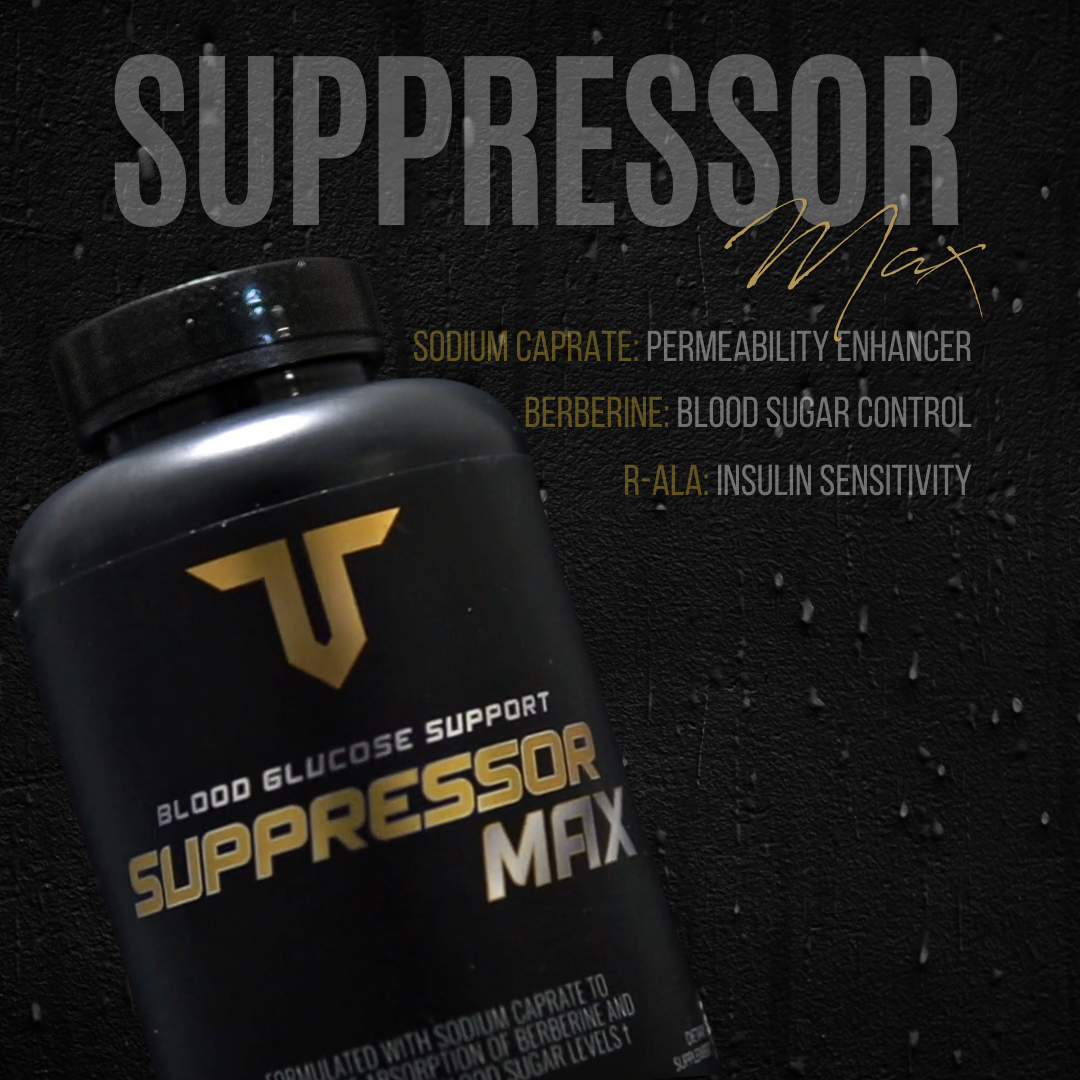
Suppressor Max was formulated for dieters who are past the beginner stage and understand that the details matter. When hunger management is handled, the rest of the cut becomes a logistics problem rather than an endurance test. That's a fundamentally more productive position to diet from.
If you're in a sustained cut and hunger has become the primary obstacle to consistency, this is where the conversation starts.