The Timing Problem Nobody Talks About
Most people reach for a fat burner on day one of a cut. It feels logical — you want to lose fat, so you add a fat loss supplement. But this approach misunderstands how these compounds actually function, and it's the primary reason so many people conclude that fat burners don't work.
Fat burners are not initiators. They are amplifiers. They work by enhancing metabolic processes that are already active — things like thermogenesis, lipolysis, and mitochondrial substrate utilization. If those systems are suppressed or inconsistent, there is no signal to enhance. The supplement has nothing to work with.
What Needs to Be in Place First
Before metabolic support makes physiological sense, a few things need to be established:
- A consistent caloric deficit. Lipolysis — the breakdown of stored fat for fuel — is primarily driven by energy availability. If your intake is erratic, your body's fat-mobilization signals are erratic. A fat burner cannot create a deficit. It can support one.
- A structured training stimulus. Resistance training and conditioning work increase mitochondrial density, improve insulin sensitivity, and upregulate the beta-adrenergic receptors that many fat-burning compounds act on. Four to six weeks of consistent training creates a more responsive system.
- Sleep and stress management. Chronically elevated cortisol directly inhibits fat oxidation and promotes fat storage, particularly in the abdominal region. No thermogenic compound overcomes a dysregulated stress response.
- Adequate protein intake. Protein has the highest thermic effect of any macronutrient and is essential for preserving lean mass during a deficit. This matters because lean mass is your primary driver of resting metabolic rate.
When Metabolic Support Actually Has a Mechanism
Once the above variables are controlled, the landscape changes. Your body is now consistently mobilizing fatty acids, your mitochondria are functioning efficiently, and your hormonal environment supports fat oxidation. This is when a well-formulated supplement can meaningfully contribute.
Compounds that support thermogenesis, enhance fatty acid transport into the mitochondria, or modulate catecholamine activity now have an active system to interact with. The result is an incremental but real improvement in the rate and efficiency of fat loss — not a shortcut, but a legitimate edge.
What to Look for in a Fat Burner
The supplement industry has a long history of dressing up stimulant blends as metabolic support. The distinction matters. Stimulants can suppress appetite and increase energy expenditure acutely, but they do not address the underlying mechanisms of fat oxidation in a targeted way. What you want are ingredients with defined mechanisms of action, transparent dosing, and research that goes beyond acute energy studies.
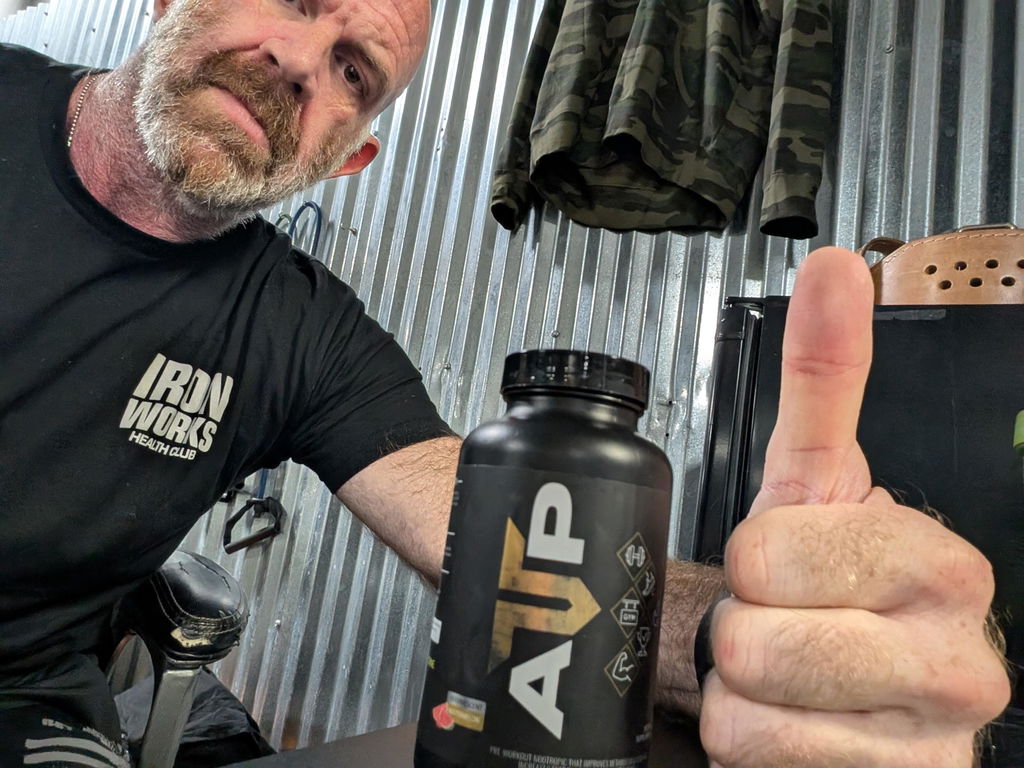
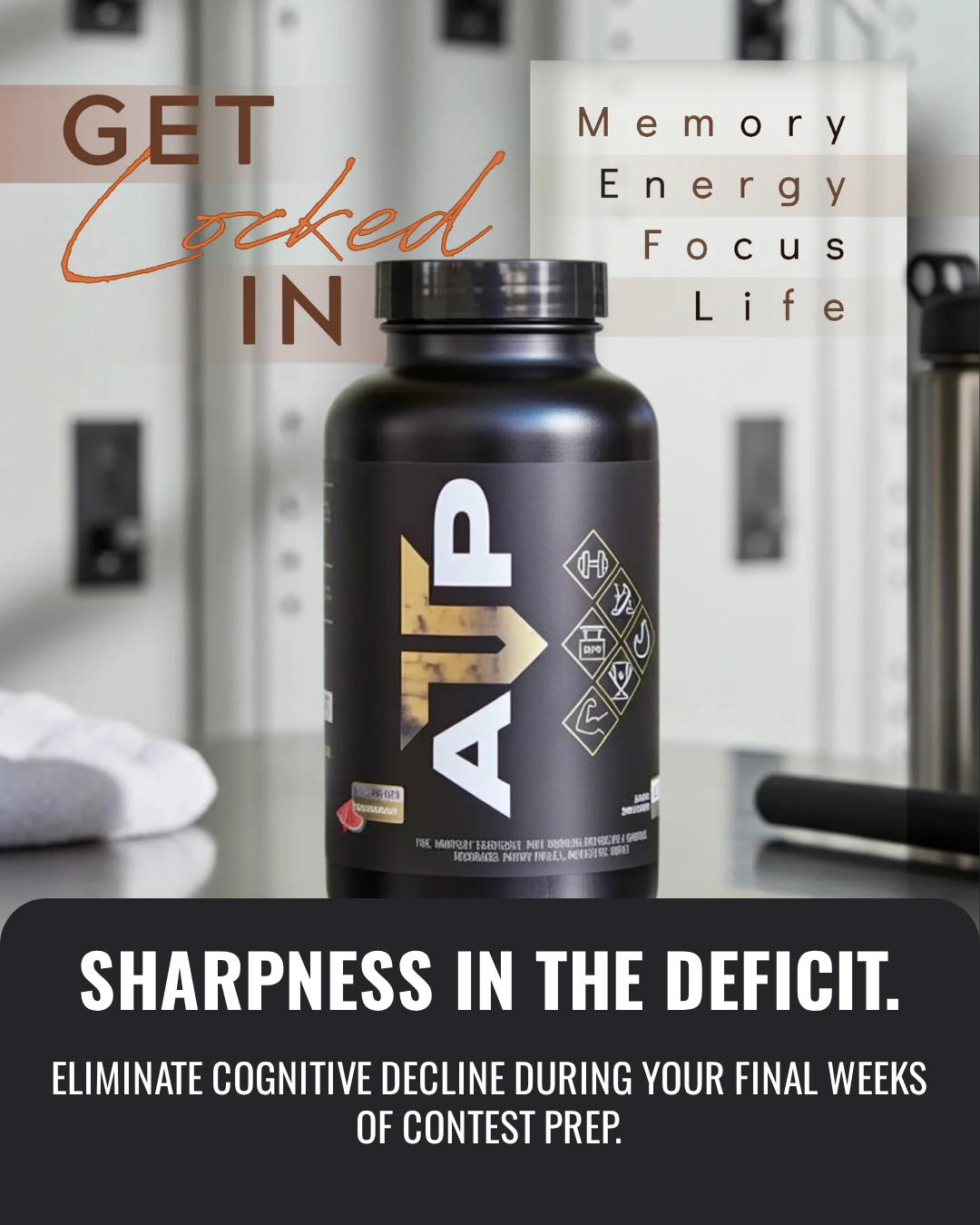
ATP by Troponin Supplements was built around this standard. Each ingredient has a reason to be there — a mechanism that connects to how your body actually burns fat. No proprietary blends. No inflated claims. Just metabolic support that makes sense when your foundation is already doing its job.
If you're four to six weeks into a structured cut and the variables above are controlled, this is where ATP earns its place in your stack. Learn more about ATP here.