Recovery Is a Process, Not a Pause
There's a common assumption that recovery just happens — that sleep and time are enough. For low-frequency, low-intensity training, that might be true. But for athletes training multiple sessions per week at meaningful intensity, recovery is an active biological process with real rate-limiting steps. Understanding those steps is the difference between showing up fresh and showing up already behind.
The Three Mechanisms That Drive Recovery Speed
After a hard training session, three overlapping processes need to complete before you're truly recovered:
1. Muscle Protein Synthesis (MPS) — Mechanical stress from training causes micro-damage to muscle fibers. MPS is the repair process. It requires adequate amino acid availability and is time-sensitive — the anabolic window post-exercise is real, even if it's been overhyped. Getting the right substrates in early accelerates fiber repair and reduces the soreness that carries into your next session.
2. Glycogen Resynthesis — Carbohydrate-dependent work depletes muscle glycogen. Resynthesis is fastest in the first two hours post-exercise. If you train again within 24 hours and glycogen stores aren't restored, output drops — not because of effort or motivation, but because the fuel isn't there.
3. Inflammation Clearance — Acute inflammation post-training is normal and necessary. Chronic, unresolved inflammation is not. Managing that response — not suppressing it entirely, but supporting its resolution — allows the body to move through the repair cycle without excessive residual fatigue accumulating over days and weeks.
Why Timing and Formulation Matter
Recovery support only works if it's available when the body needs it. That means the formulation has to be designed for rapid uptake, and the timing has to align with when each mechanism is most active. This is why a generic protein shake or a nighttime recovery product tells only part of the story. Between-session recovery needs a targeted approach.
QRF: Built for the Recovery Window
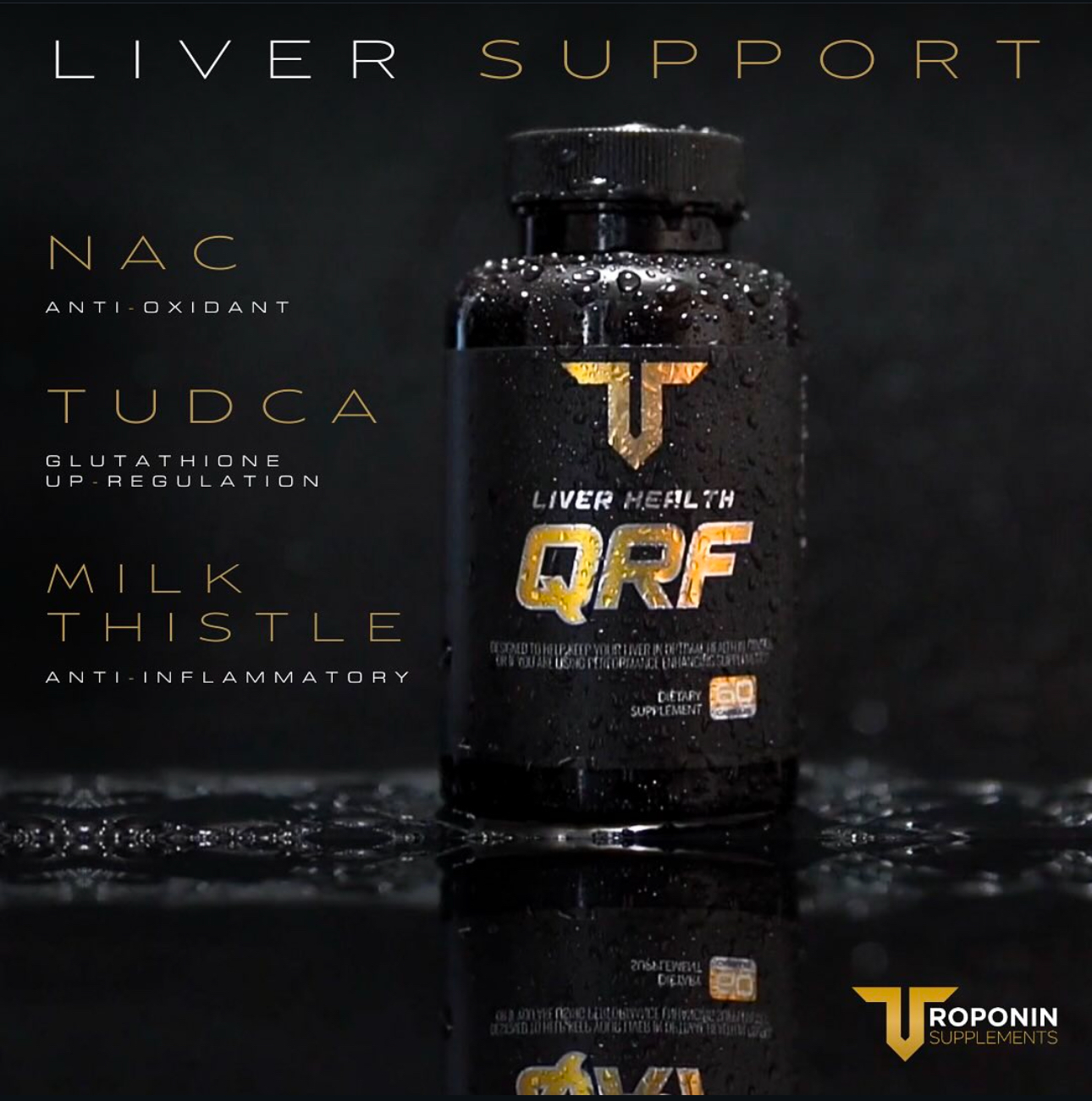
QRF (Quick Response Formula) was developed specifically for the gap between training sessions — the hours where recovery either accelerates or stalls. The formulation is built around the mechanisms above: supporting MPS, glycogen replenishment, and the body's natural inflammation resolution process.
If your training frequency is high, or your sessions are demanding, the between-session window is where your results are actually determined. Learn more about QRF and how it fits into your recovery protocol.